
Tired of potholes?

Our infrastructure shouldn’t have to fail before we can fix it.

01The problem

Your city can’t fix
what it can’t see.

Annoyed that the same pothole still hasn’t been fixed?

Believe it or not, many cities fix potholes within 48 hours of finding out about them. If they haven’t fixed yours, there’s a good chance it’s because they don’t know about it.

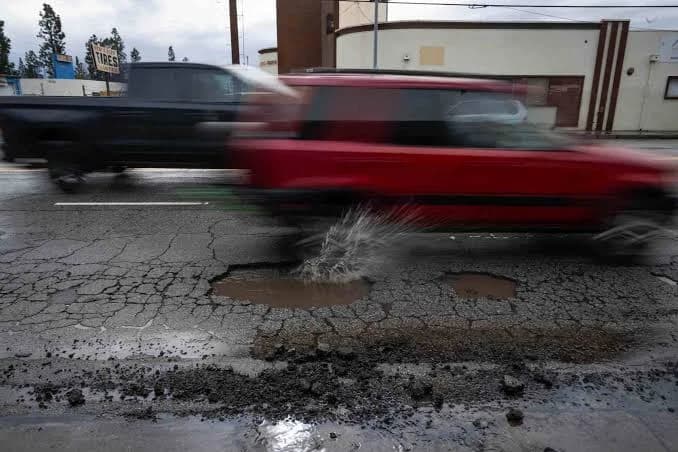
A car splashing through a water-filled pothole on a cracked road
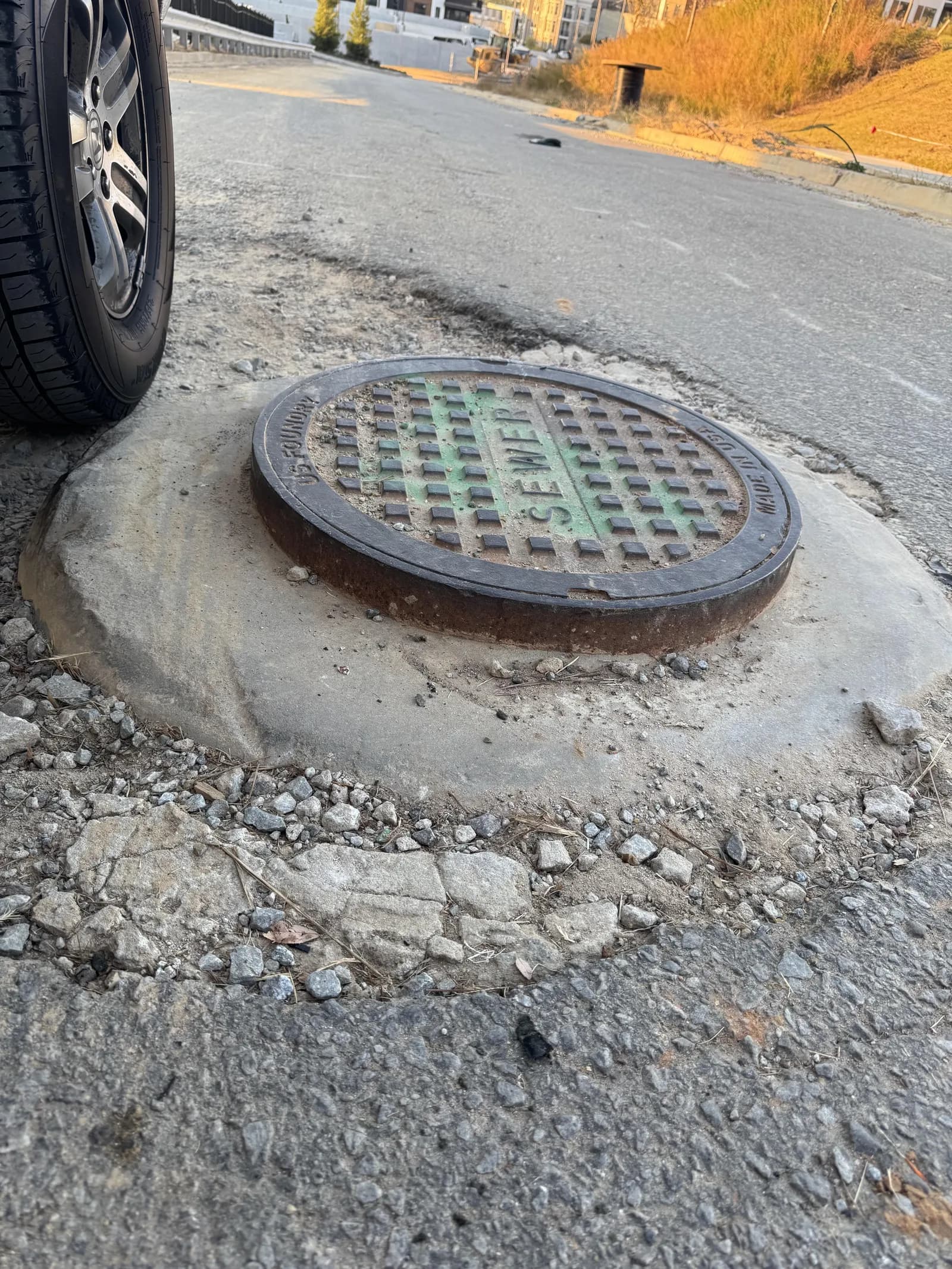
A sewer manhole cover left standing proud of the road, the asphalt broken away around it

It’s a bizarre concept, but most cities don’t really know what condition their infrastructure is in.

Potholes, missing signs, faded crosswalks, broken sidewalks, burnt-out street lights. Short of having dedicated teams that drive around 24/7 looking for issues, there’s just no good way to find such issues.

So cities must rely on you, the community, to report what’s wrong. Your call comes later than they’d ever want to act, but is often their only way of finding out.

No more finding out the hard way.

02It’s time for change

What if your city could fix these problems before you even noticed?

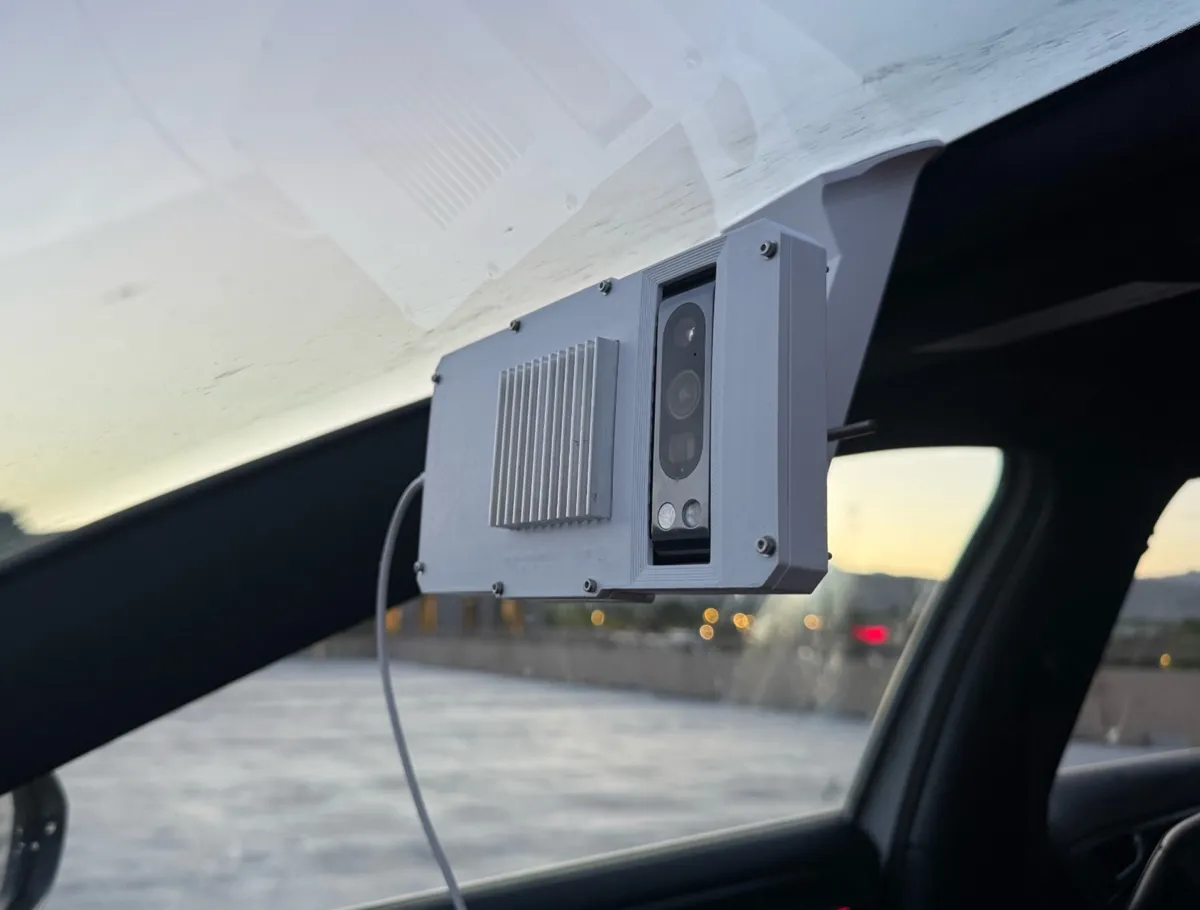
We’re a team out of CU Boulder developing a system that uses dash cameras on everyday city vehicles, like trash trucks, to automatically find and report potholes, missing signs, faded crosswalks, and other hazards.

Our cities get full visibility into what needs fixing first.

You get problems found and fixed before anyone has the chance to get hurt.

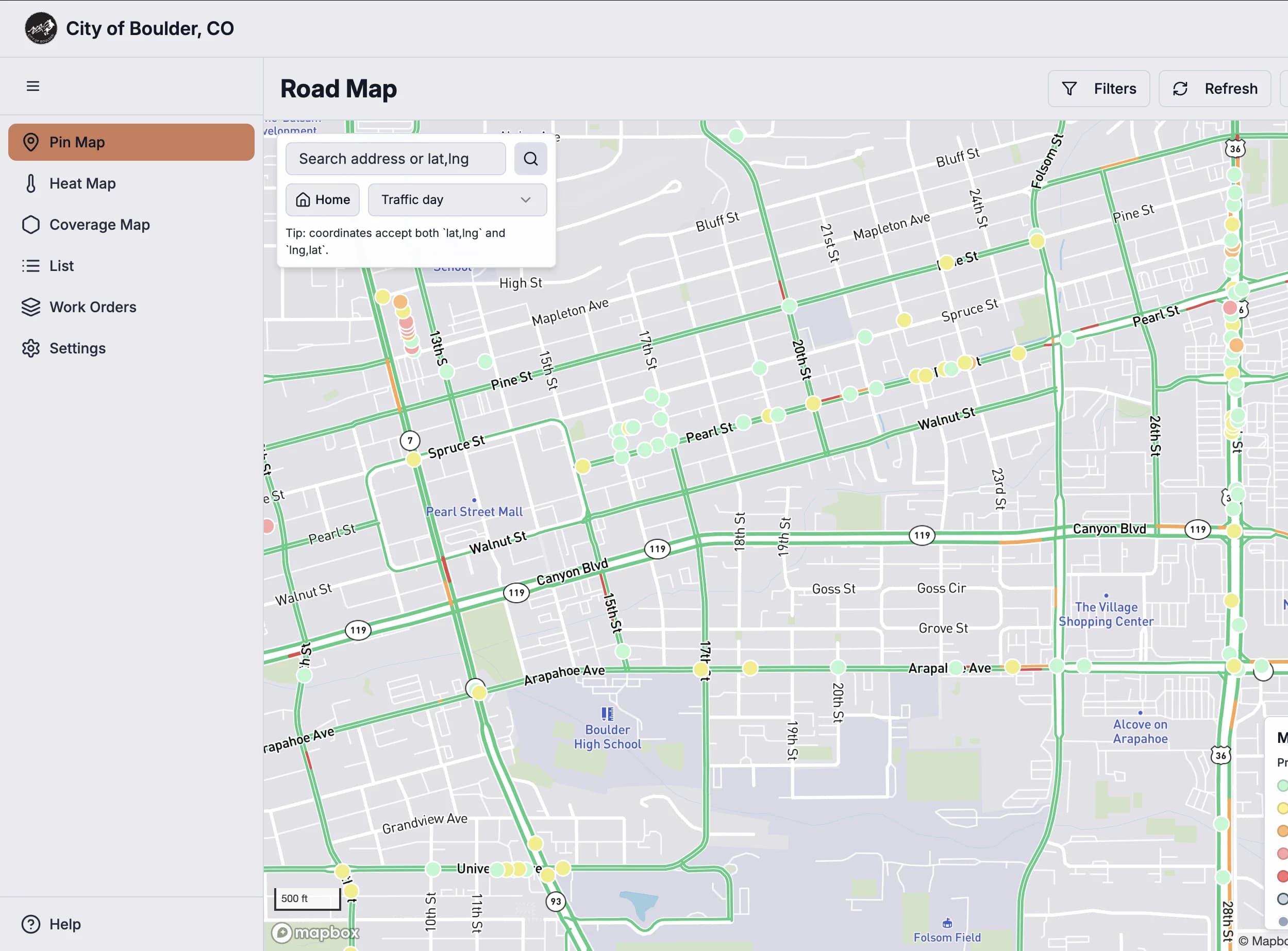
The Arterial Road Map for the City of Boulder: streets coloured by condition, with pins across the network coloured by priority score

The Arterial road map for Boulder, CO

An ARTIE camera unit mounted high on the inside of a vehicle's windshield

ARTIE™

In a city truck

On route
Needs attentionJust now
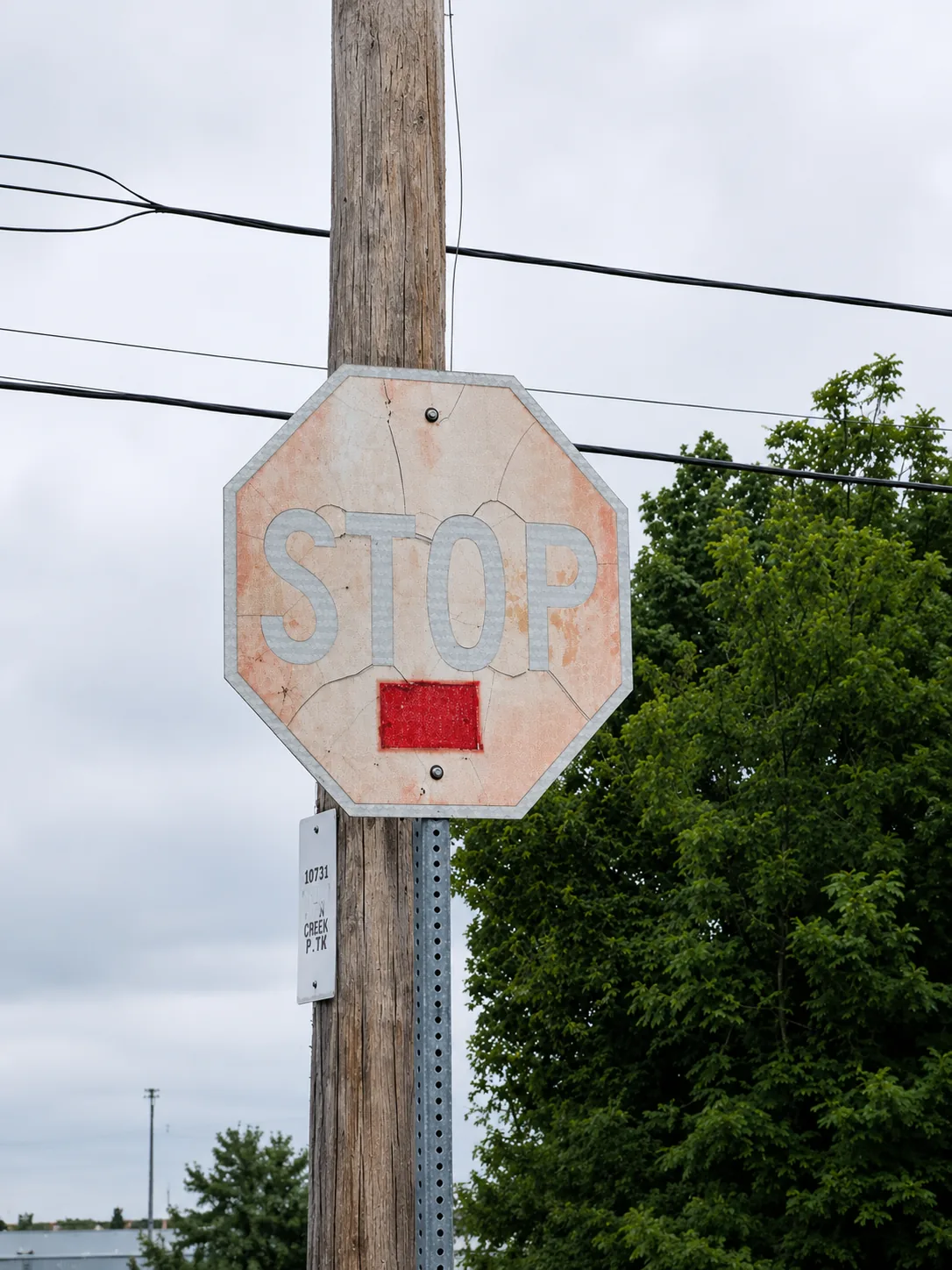
A stop sign with its red face faded almost to white

Stop sign

R1-1 · Downtown

Faded

Optimal route

4 high-risk potholes, worst first

1234

03Where we work

Your city isn’t alone.

Public works teams across Colorado are helping us prove that there’s a better way forward.

04Privacy

And surveillance? Absolutely not.

All personally identifiable information (PII) is censored at detection. We will not—and, more importantly, cannot—track you.We’re college students. If we did this, we’d never get invited to another party again.

  • People
  • Vehicles
  • Pets
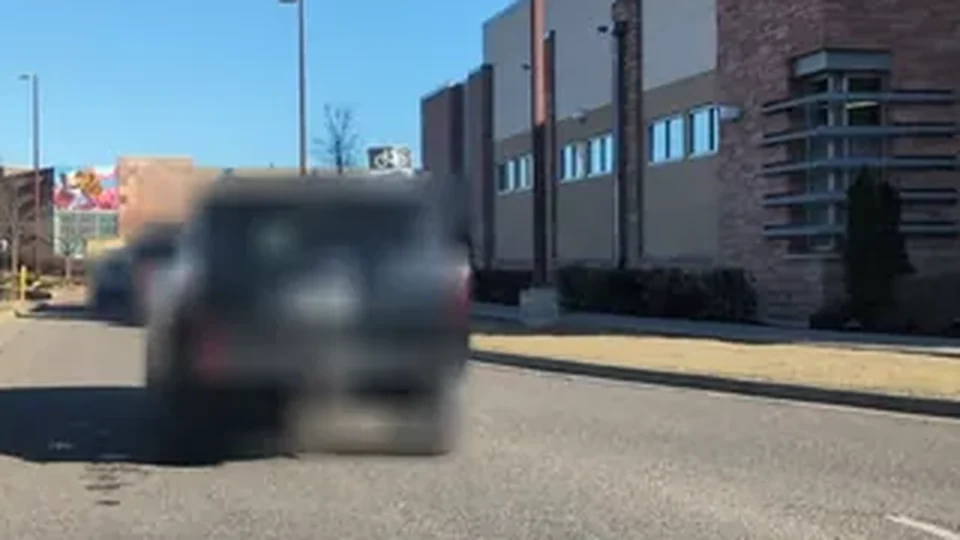
ARTIE capture of a commercial street with passing vehicles blurred by the privacy filter
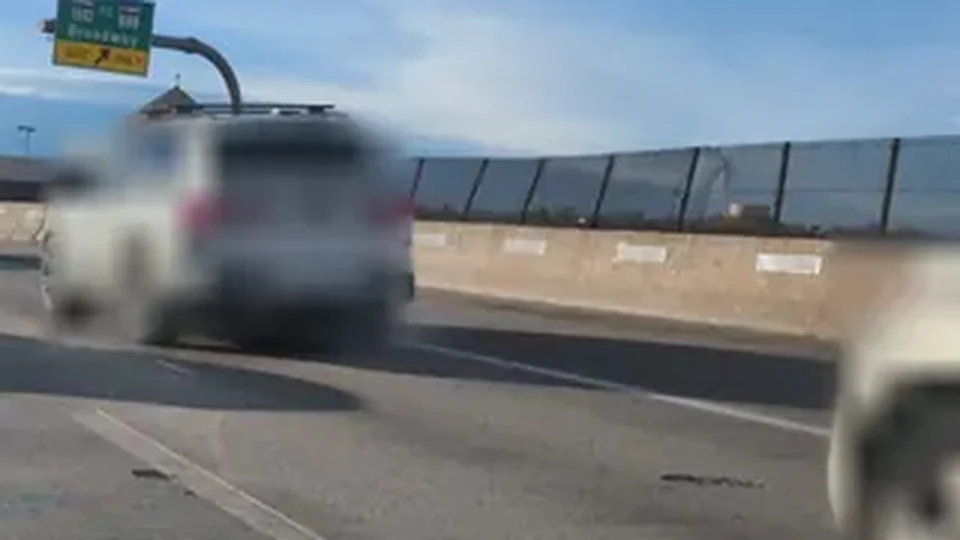
ARTIE capture of a highway where the rear of every vehicle, plate included, is blurred

We need your help.

Refer your city!

Your voice is the most important part. If you think what we’re building could benefit your community, send a short note to your local leaders asking them to give Arterial a look.

All you have to do is hit send. We’ll take care of getting it to your city.

What happens next

  1. You

    fill out the note

  2. We

    send it to your city

  3. Your city

    responds if interested

  4. We

    do a demo

Your note

Community referral

Hi,

My name is [Name], and I’m a resident of [City].

I recently came across a company called Arterial. They help save cities like ours millions on manual inspections and reactive fixes by using dash cameras to passively inventory and monitor the condition of road infrastructure.

I know we have ongoing initiatives around roadway safety and becoming more proactive about infrastructure issues like potholes and missing signs. Arterial is already being used by cities like Loveland, Boulder, and Lakewood, Colorado, and they’re seeing successful results.

As a resident, I’d love for you to see if it could be valuable for our community. One of the founders, Wade Turner, would love to chat with you. His email is Wade@arterial.us.

Thank you!

[Name]

Add your name and city to fill in the note.