Every roadside asset, inventoried and inspected.
Replace the spreadsheet with a living asset inventory that checks condition every time your fleet passes.
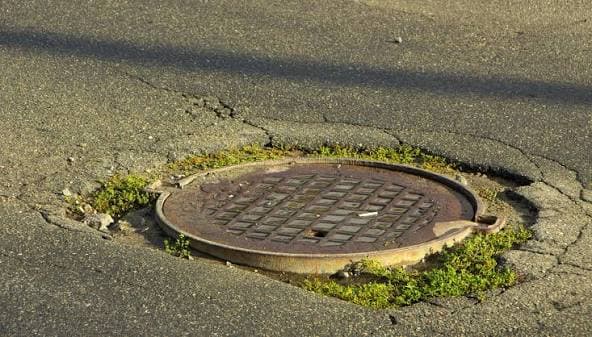
Manhole Cover — Curb Lane
W 32nd Ave & Zuni St · Denver, COWhat’s included
We currently offer 17 classes within field asset inspection, with new ones added by request.
How it’s collected
Inventory
Annual- Asset ID
- Location
- Image
- Dimensions
- Owner
Annual high-fidelity network inventory, delivered standalone or merged with your existing record.
Inspection
Continuous- Missing?
- Damaged?
- Defaced?
- Obstructed?
- Operational?
Assets are continuously monitored for relative changes in condition over time.
- Annual ground-truth inventory
- Continuous condition assessment
- Ownership inferred automatically
Automatic enrichment
70+ contextual factors
Metric
Context
Metric
Context
Condition assessment
6 relative traits
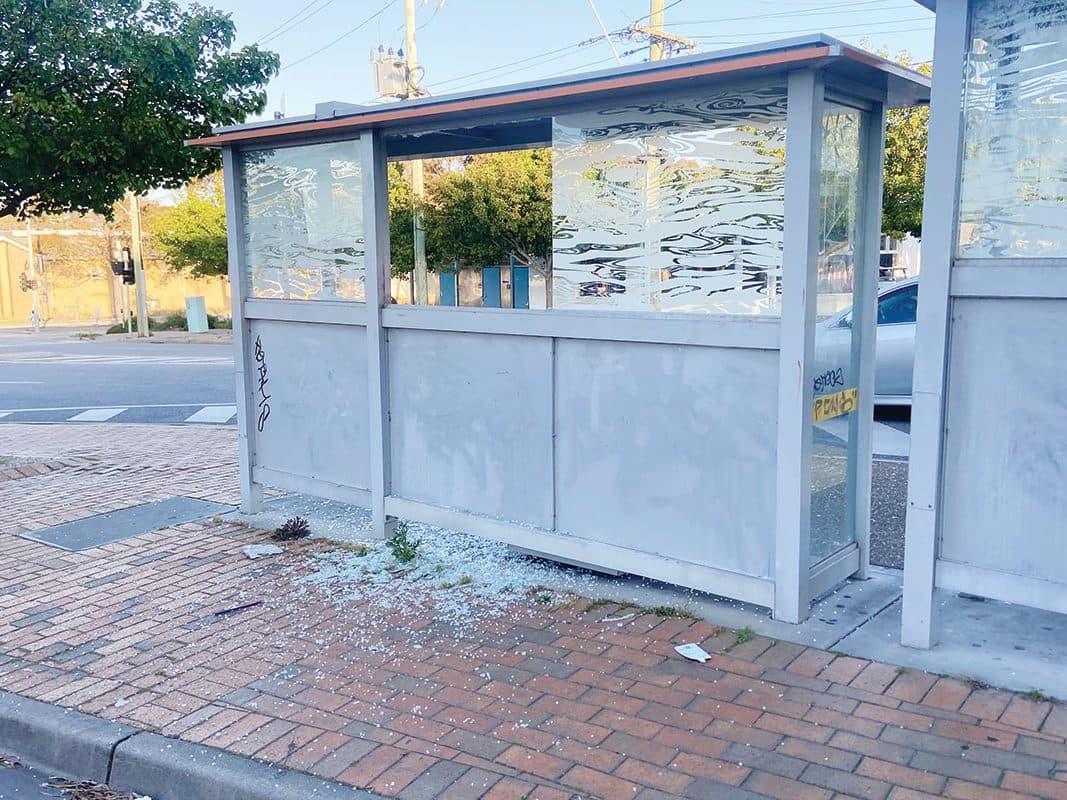
- Condition is automatically assessed as assets are passed.
- Automated
- For a detection to reach your dashboard.
- <15 min
Less Time In The Field
Assets inventoried as the fleet drives, not on a survey schedule.
A Complete Inventory
Everything out there, not just what made it onto the old list.
Condition, Not Guesswork
Damaged, clogged, or missing — assessed on every pass.
No Verification Trips
Confirm what is there from the desk before anyone rolls.
Defensible Replacement Plans
Counts and condition behind every capital request.
An Inventory That Stays Current
Refreshed every two weeks instead of aging from the day it is delivered.
Field Asset Inspection, answered.
Which roadside assets does Arterial inventory?
Seventeen classes, including manholes, water valves, fire hydrants, street lights, traffic lights, bus stops, benches, drainage grates, truncated domes, curb ramps and telephone poles.
What condition problems are flagged?
Assets are checked for being vandalized, damaged, raised or lowered, abandoned, clogged, or obstructed each time a vehicle passes.
How is the inventory kept current?
An annual ground-truth pass sets the baseline inventory, and condition is assessed continuously from normal fleet driving after that.
Do we need to buy survey vehicles or LiDAR?
No. Collection is passive. Arterial uses cameras riding on vehicles your agency already drives, and many teams start with ARTIE, a low-cost windshield camera that installs in about fifteen minutes.
How often is the record updated?
Every drive refreshes it. Passive collection covers roughly 80% of a jurisdiction every two weeks, so the record changes as the road does rather than once a survey cycle.
Who owns the data?
Your agency does. Data collected by your vehicles in your service area remains yours, and imagery is scrubbed of people, vehicles and identifiable details.
Go deeper: how the data is built, privacy and data ownership, Arterial vs. a LiDAR survey, or the full FAQ.